
Faculty growth that produces movement—not paperwork
Faculty Growth Plans / Annual Review SystemFaculty
Project overview
STATUS: LIVE — IN USE AT NYIT VANCOUVER
The Problem
Faculty goal-setting and annual review processes at most universities live in email threads, Word documents, and informal conversations. The result is a process that feels inconsistent, is difficult to document, and provides almost no longitudinal visibility into a faculty member’s development.
Worse, the annual review conversation — which should be one of the most valuable professional development interactions a faculty member has — often becomes a compliance exercise: sign the form, file the document, move on. The opportunity to have a genuine, structured conversation about growth, aspiration, and institutional fit is lost.
The Solution
The Faculty Growth Plan Portal is a purpose-built web application that structures the entire faculty goal-setting and review lifecycle in one place. It has three stages, each designed to create a different kind of conversation.
Stage 1 — Goal Setting: At the beginning of the academic year, faculty log in and set structured goals across teaching, scholarship, and service. The interface prompts them to connect each goal to specific institutional priorities — not as a compliance exercise, but as a way of making the relationship between individual aspiration and institutional direction explicit and visible. Goals can be categorized, weighted, and annotated with context.
Stage 2 — Dean Conversation: The portal generates a structured agenda for the mid-year or annual review meeting between the faculty member and their Dean or Director. Both parties can add notes, adjust goal trajectories, and document agreed-upon supports or changes. The conversation has a record — but one that belongs to both participants, not just the institution.
Stage 3 — Year-End Reflection: At year’s end, faculty complete a reflective self-assessment against each goal. The system supports rich narrative reflection alongside quantitative progress indicators. The completed portfolio becomes part of the faculty member’s longitudinal professional record — available for reappointment, promotion, and personal reference.
Who Uses It
Faculty and academic administrators at NYIT Vancouver, across all departments and ranks. The system currently supports faculty from adjunct instructors through tenured professors and is used in conjunction with the formal reappointment and promotion process.
What Changed
The shift from an email-and-document process to the portal changed the quality of review conversations in a measurable way. Faculty began arriving at their Dean meetings with clearer thinking about their own development — because the interface had asked them to think carefully before the meeting, not during it. Deans reported spending less time on process management and more time on substantive conversation.
The longitudinal record has also created something that didn’t exist before: a genuine picture of faculty development over time, visible to both the faculty member and institutional leadership. That has changed how promotion cases are assembled and how early-career faculty are supported.
Key elements:
- A small number of high‑leverage moves per cycle.
- Evidence of change (not just intention).
- Structures that respect autonomy while protecting standards.


Faculty Login Screen
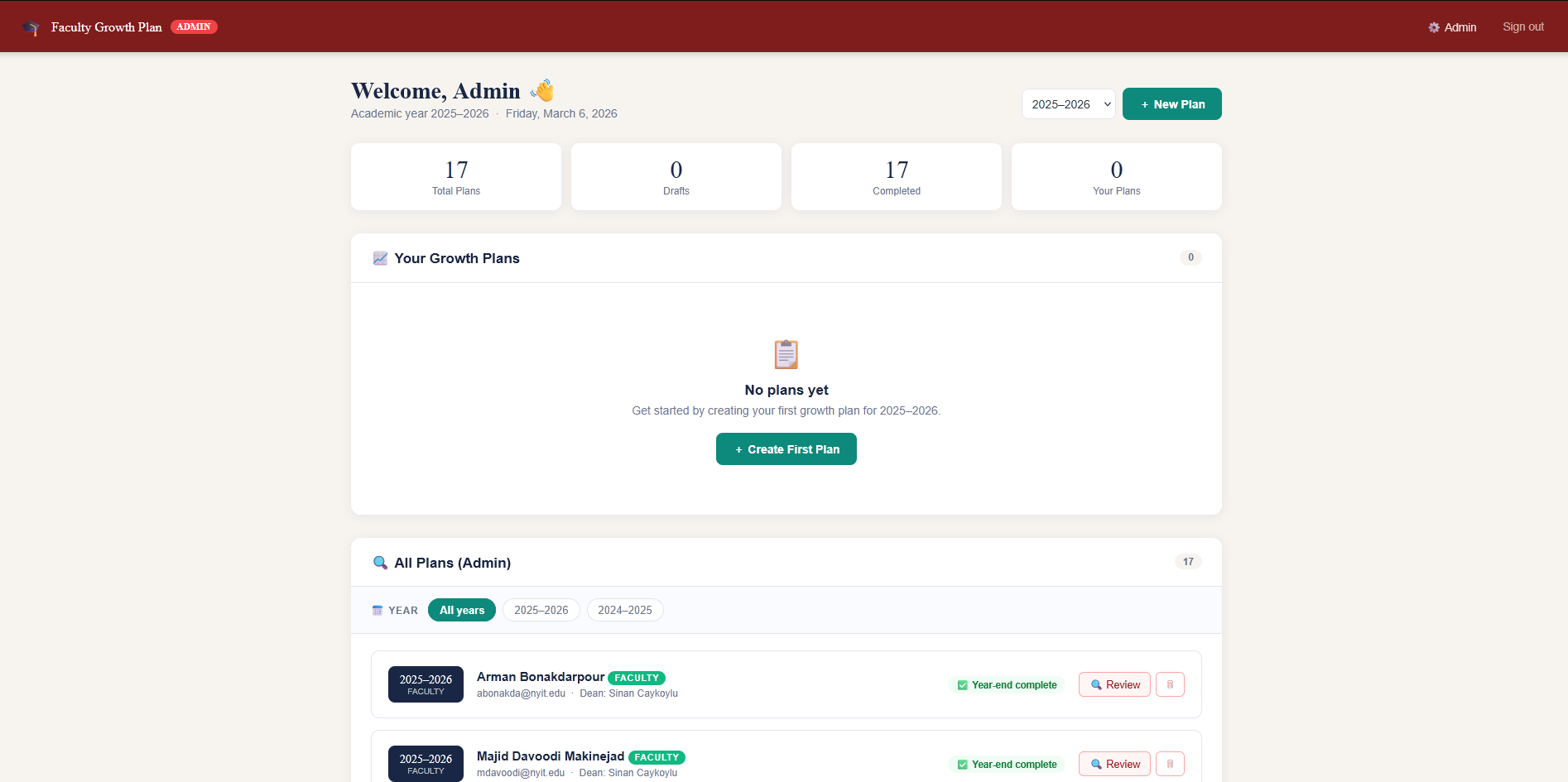
Faculty Admin Dashboard
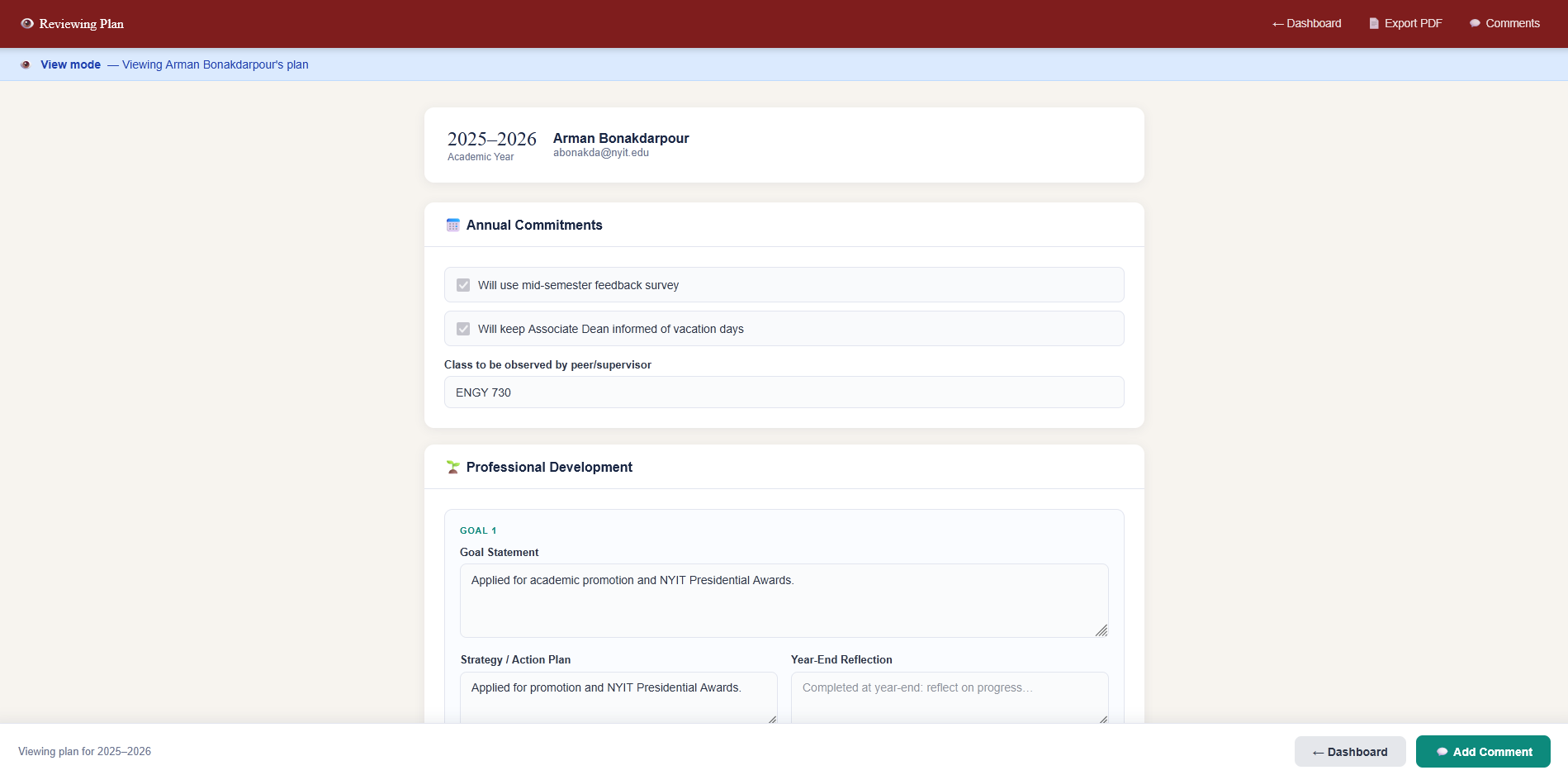
Faculty Review Plan
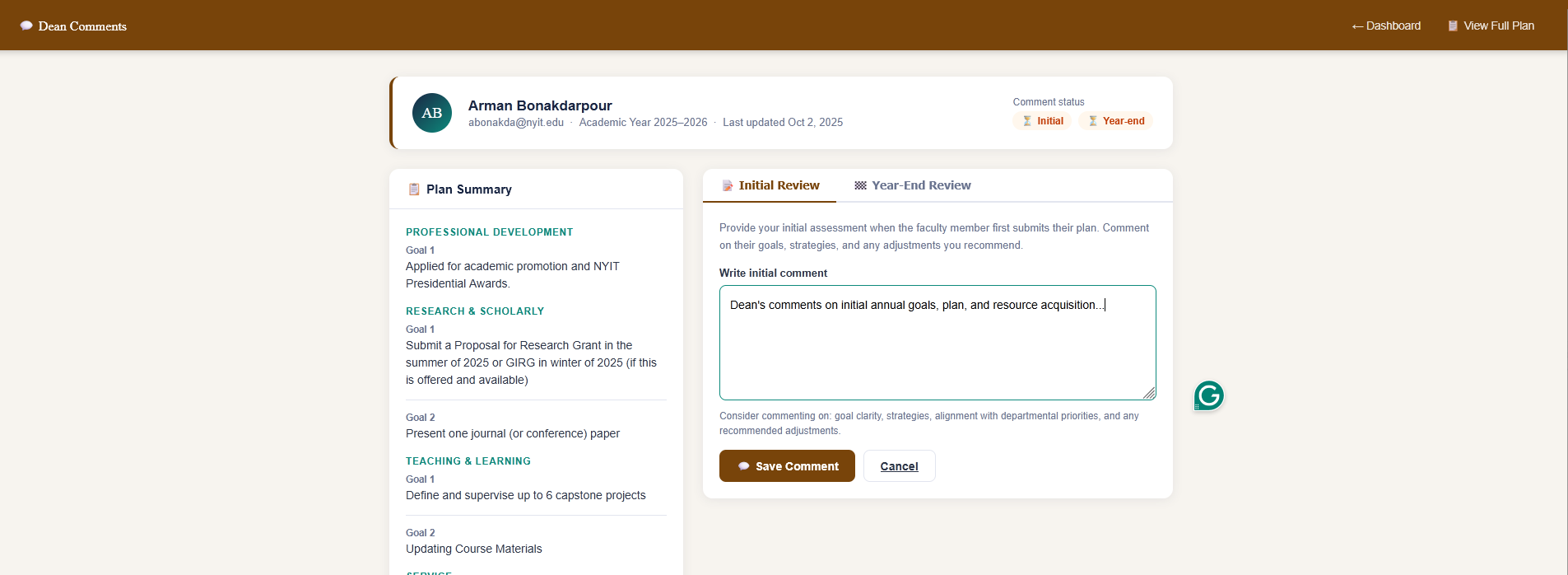
Faculty Dean Comments
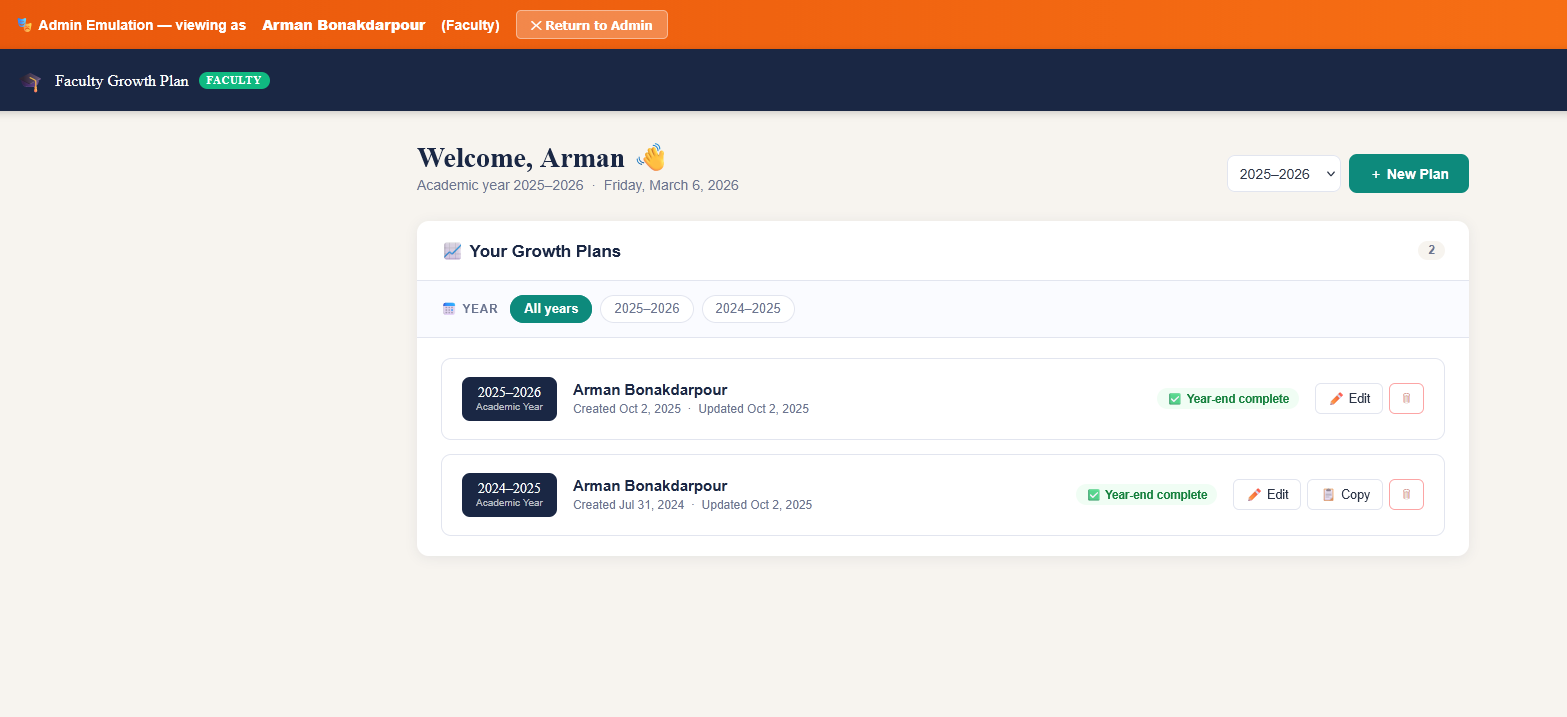
Emulation Mode
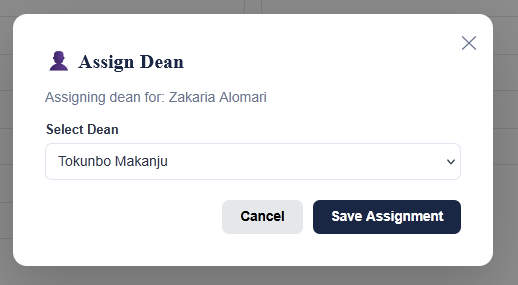
Role Assignments
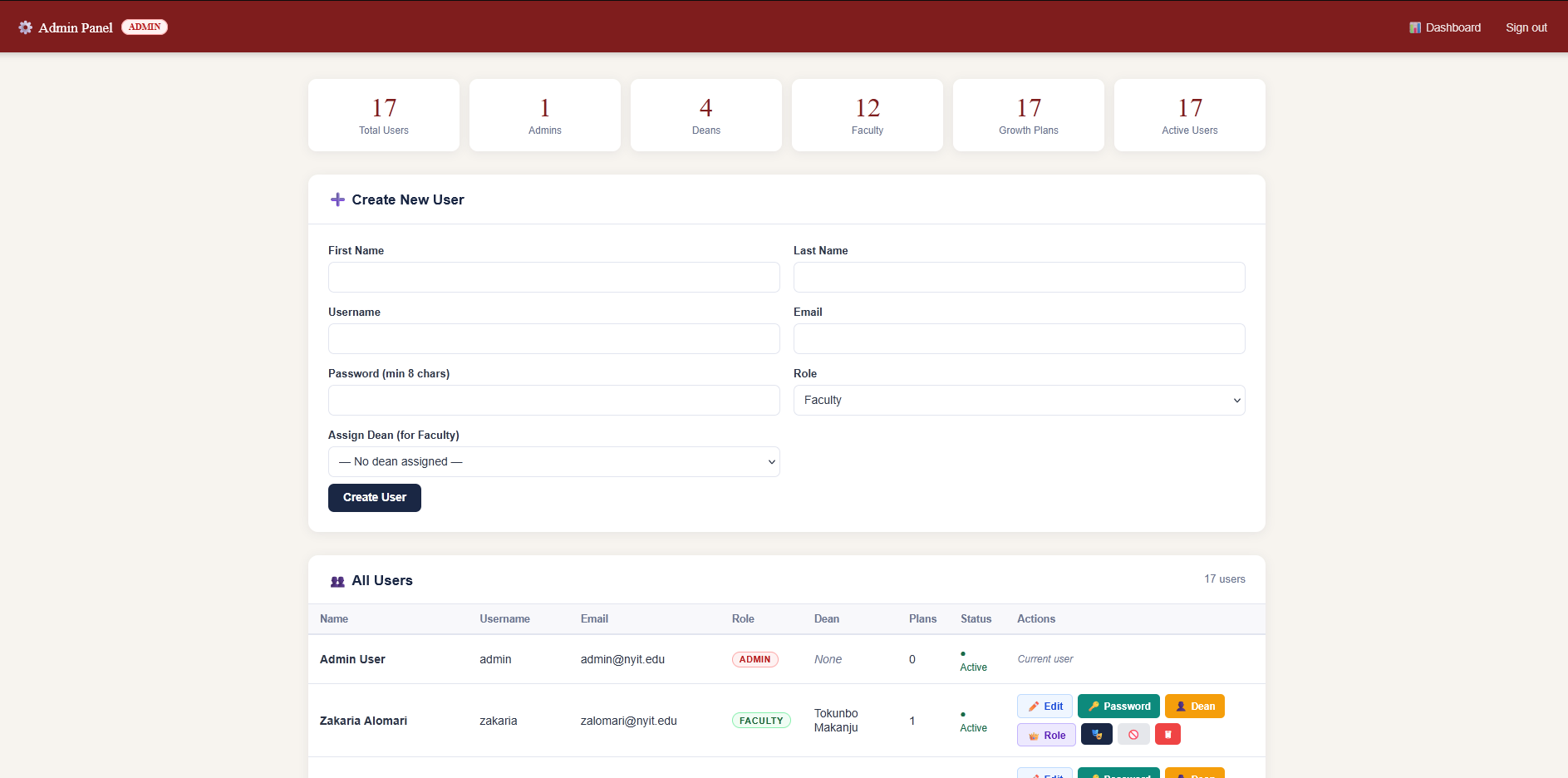
User Management Screen
Video Demo
06

0 Comments